Isabelle Kwan Awarded NIH F30 Fellowship to Study Drug Resistance in Leukemia
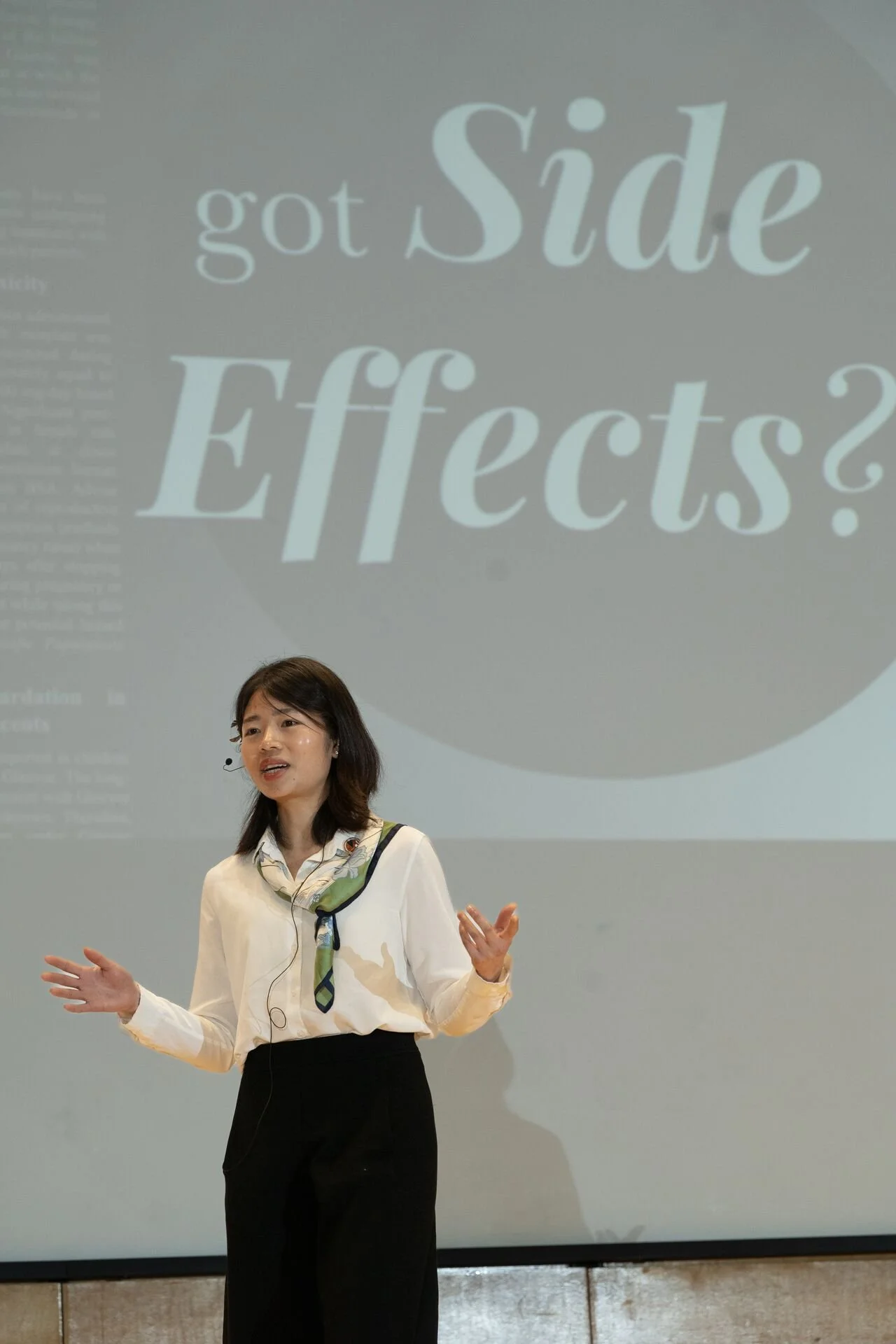
Isabelle Kwan, M.D./Ph.D. student
Laufer Center for Physical & Quantitative Biology, Stony Brook University
Drug resistance is a growing challenge across many areas of medicine, from cancer therapies to multidrug-resistant infectious diseases. Addressing this problem requires innovative biomedical research to (1) uncover the molecular mechanisms underlying resistance, (2) develop strategies to anticipate the emergence of resistance, and (3) discover novel therapeutics that remain effective against resistant disease.
A newly awarded NIH F30 fellowship to Isabelle Kwan, an M.D./Ph.D. student from the Bahar Lab, exemplifies this mission through research focused on Chronic Myeloid Leukemia (CML). CML is a hematologic malignancy that accounts for approximately 15% of newly diagnosed leukemia cases in the United States each year (American Cancer Society). Although the targeted therapy asciminib allosterically inhibits the overactive BCR::ABL1 kinase that drives CML, resistance-conferring mutations can compromise its long-term effectiveness..
In collaboration with Markus Seeliger (Stony Brook) and Neil Shah (UCSF), Kwan's research integrates state-of-the-art machine learning, molecular dynamics simulations, biochemical characterization, and cellular assays to investigate how resistance develops. Specifically, the project aims to (1) determine how mutations alter asciminib binding or disrupt the allosteric regulation of BCR::ABL1, and (2) identify lead compounds that can guide the design of next-generation allosteric inhibitors capable of countering asciminib resistance.
By advancing our understanding of drug resistance and informing the development of more durable targeted therapies, this work has the potential to improve treatment options for patients with asciminib-resistant CML or those who cannot tolerate existing therapies. The fellowship highlights the interdisciplinary research effort taking place at the Laufer Center to address some of the most pressing challenges in human health..
